Your child has more to say about school than "fine."
Most kids want to talk about learning — they just don't have the words. Choose to Grow: A Family Guide to The Learning Mountain gives them the language, and gives you the questions that actually open the door.
Free during the pilot
Sound familiar?
You ask how school went. You get one word.
They shut down the moment something gets hard.
You want to help, but you don't want to push.
This isn't a parenting problem. Kids haven't been taught what learning actually feels like — or how to talk about it.

.
This program changes that.
It bridges the gap between what students feel and what parents want to understand.
Parents get the tools to ask questions that actually spark conversation—not shut it down.
Students gain the language to express what’s working, what’s hard, and what they need to grow.
Together, they build a shared understanding of learning—one that leads to confidence, persistence, and resilience.
This isn’t just about school—it’s about equipping your child for life.

How it works
.Designed for Ages 8 - 18
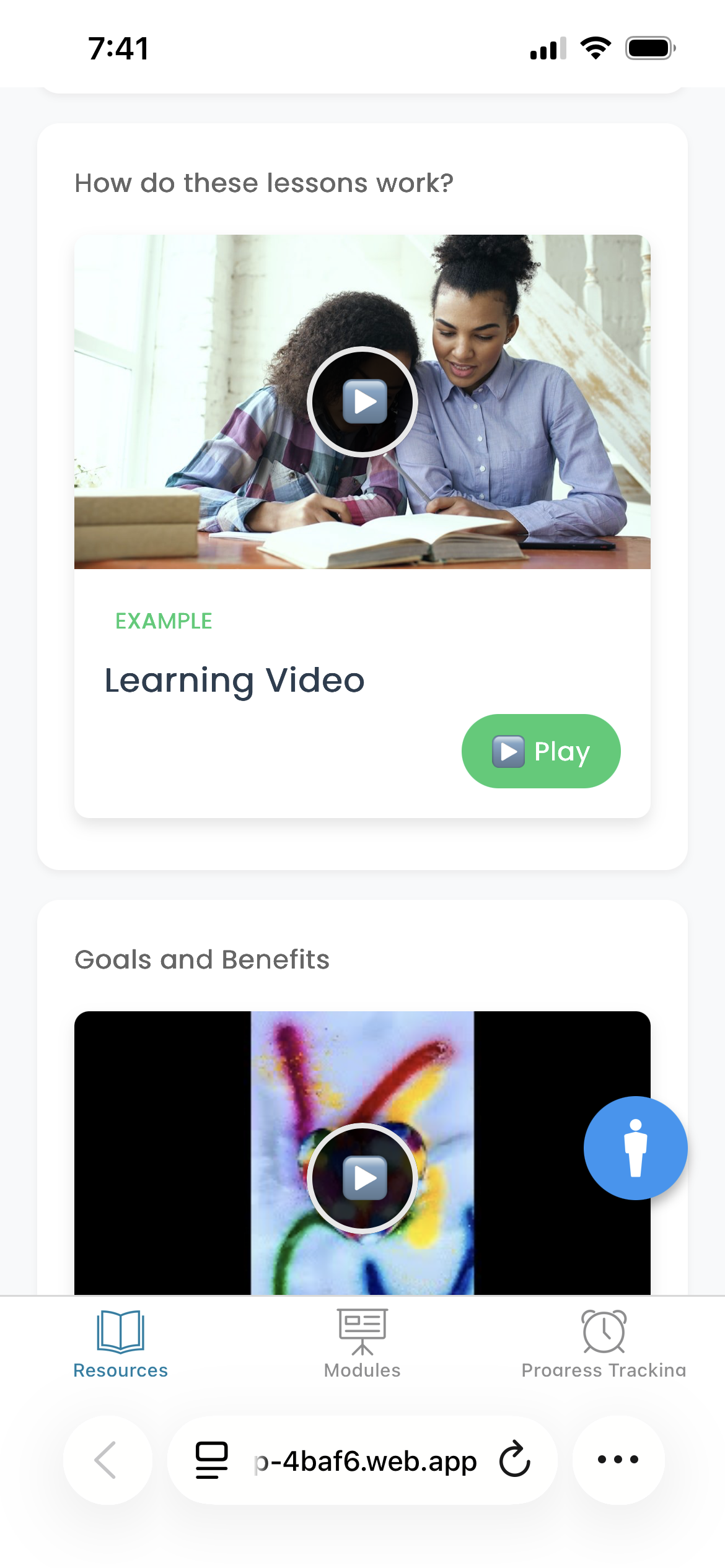
Step 1: Open the app together
Each session is guided — you'll know exactly what to do and what to say. No preparation needed.
Step 2: Have a real conversation
Structured prompts open the door. Then it's just the two of you talking — about learning, effort, and what's actually hard.
Step 3: Build something lasting
Each conversation builds on the last. Over 10 sessions, your child develops a toolkit they carry into every classroom, every year.
Takes 10 minutes a day
Designed for car rides, the kitchen table, or after school. Fits into the time you already have.



What you'll talk about
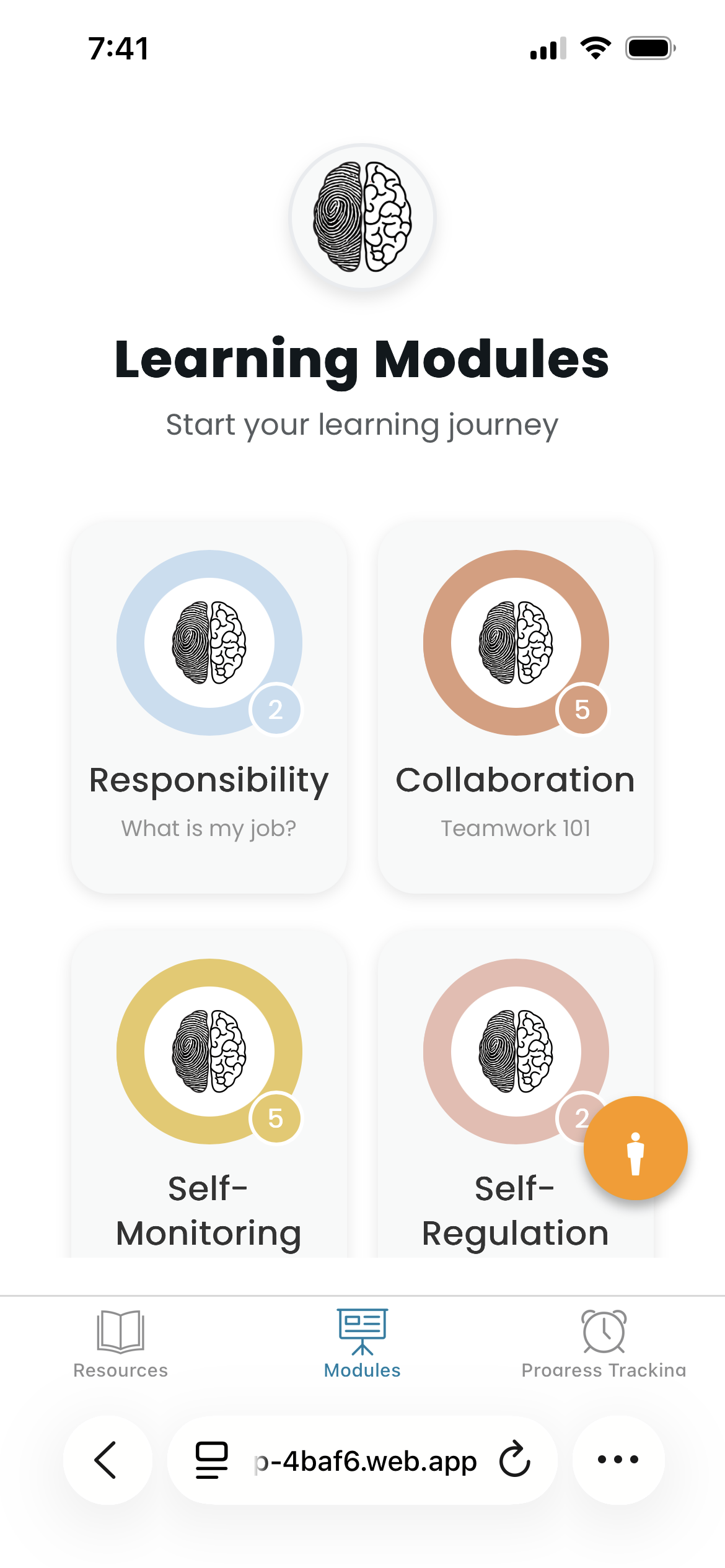
Each conversation is a lesson with a name — a concept your child will remember and use.
01
What does learning actually feel like?
Understanding that confusion is a sign you're learning, not failing
02
Why hard things are worth doing
Building a relationship with productive struggle
03
The power of your inner voice
Recognizing and coaching your own self-talk
04
What to do when you want to quit
Practical strategies for the moment avoidance kicks in
+ 6 more impactful lessons
Frequently Asked Questions
-
Most days require about 5 to 10 minutes for the lesson and a few short moments woven into conversations you are already having. This might happen during homework, a car ride, or a check-in after school. The Guided Autonomy Model is designed to reduce effort over time by building independence, not add another task to your schedule.
-
Children engage more when they feel respected and involved. This program invites them into the process instead of telling them what to do. Through the Think Together and Choose and Observe stages, students experience real choice and ownership. That sense of control is often what turns resistance into participation.
-
You are not expected to figure this out on your own. Each week includes clear guidance and simple language you can use right away. The first stage of the model focuses on connection, not correction, so your job is to listen and be curious. Confidence grows as you practice, just like it does for your child.
-
Tutoring focuses on content. This program focuses on the skills that support learning across subjects. The Guided Autonomy Model helps students regulate emotions, make decisions, reflect on effort, and take responsibility. Instead of giving answers, you are helping your child learn how to think, adapt, and lead their own learning.
-
Growth often shows up in small but meaningful shifts. You will notice fewer power struggles, calmer reactions to challenges, and more initiative from their child. The final stage of the model includes reflection and celebration so progress is named and reinforced. The goal is not perfection but increased confidence, independence, and trust.
-
No. In fact, perfection works against this program. The Guided Autonomy Model is built on the belief that learning happens through trying, adjusting, and reflecting for both parents and children. There is no single right way to say things, and mistakes are expected and welcomed. One of the most powerful examples you can set for your child is showing curiosity and openness, rather than having all the answers.
Try Choose to Grow with your child
Join a small group of families helping shape the program. No cost during pilot.
Questions or want to join? Email us here!