
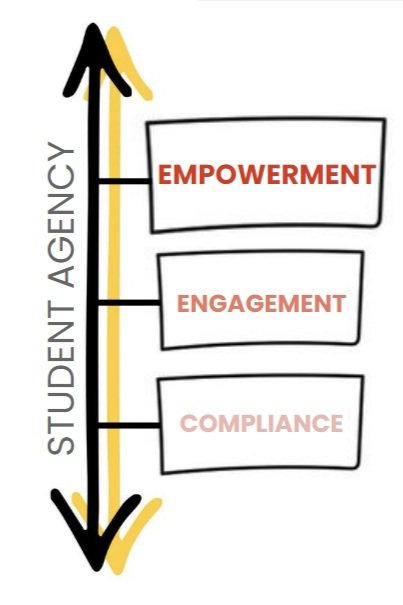
Student agency is an investment in lasting student achievement.
As former classroom teachers ourselves, we’ve lived the daily challenge of actively engaging students. We build real solutions to combat student apathy over the long term, not short-term band-aids.
Our approach instills self-motivation and builds academic self-esteem, so students enjoy learning and embrace challenge. With our core four growth conditions in place, classrooms become truly student-centered.
As John Hattie’s Effect Size has shown, teacher and student self-efficacy have enormous impacts on student learning. How do we capitalize on that knowledge?
We help students and teachers build systems and structures through research-based strategies and intentional language, creating a culture and climate where autonomy blooms. Our coaching sessions and workshops build agency, confidence, and self-advocacy so they become an internal dialogue and identity.
Bottom line - student achievement, student self-efficacy, and teacher satisfaction soar when students chase learning for themselves.
How are Agency Builders different? How are they a reframe from solely a teacher instructional practice?
-
Feedback is more that teacher comments. The power lies when students not only understand and use feedback, but advocate and ask for the feedback they need. the tables turn. We teach that through critical friends, voice, and audience classroom routines.
-
Educators learn practical, easy to implement tools like “Mic Drops” to highlight learning as a process and normalize/celebrate challenge and struggle. Instead of always coming from the adult, every student can learn to notice, build, and celebrate a sequence of successes.
-
Educators learn the power of authentic reflection and ways to co-create resources for student use. We also emphasizes the need for authentic failure and learning from those opportunities.
-
Educators have always been the cheerleaders. We teach students about their inner coach - and how they can choose the helpful self-talk that not only keeps them going, but helps them think about the tangible next steps they can take.
-
Who is asking the questions? Educators learn simple ways to infuse space for students to be curious into every lesson and how to naturally foster critical thinking across all learners.
-
We teach humans, not robots. Normailizing the emotions along the shape of learning combined with calming strategies puts the power of managing behavior in student’s hands. Students learn to name and regulate their emotions.
-
Rather than relying on teachers to catch when they are confused, students need to learn to be aware of their own understanding. We teach them to pay attention to when their understanding breaks down and how to advocate and clarify.
-
This session equips teachers with 3 strategies for helping student understand their habits as learners. With these strategies in place, students work more accurately, intentionally, and are more willing to challenge themselves academically.
-
Most well-intentioned classroom norms are vague: respect, be kind. How are we communicating who’s job it is? We communicate that it’s both the teacher’s job and the learners job to ensure the classroom centers on learning. We include tangible pieces such as asking questions, being on time, having an idea ready to share.
-
It’s not just the teacher who needs to know where we’re going - it’s each of their jobs too. Teaching specific goal setting practices and setting time gives students choice and purpose, while maintaining the standards we need to follow.
-
We create anchor charts, notes from class, manipulatives are available - but do we highlight and elevate when students use them? This builder focuses on how we use every piece of our learning - including people - as a way to chase understanding for ourselves.
New to the profession 1st grade teacher:
“The practice on the site is the best way to learn and put all the theory to work. I appreciated the willingness to share new ideas, strategies, and just have conversations to talk through problems or concerns. You are fantastic!”
Middle School teacher:
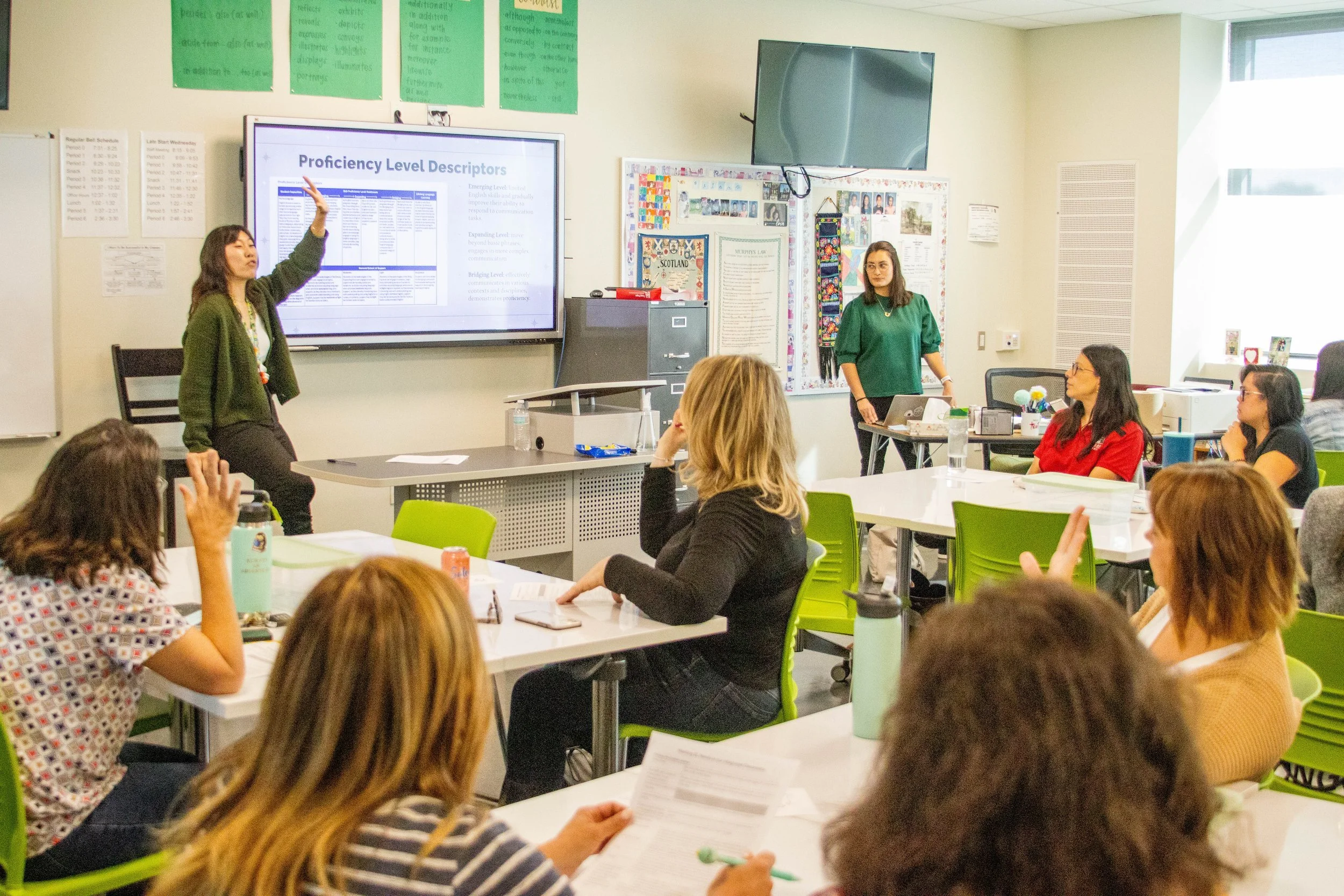
“Jen and Jewellyn are amazing presenters! They were engaging and I have so many takeaways to use in my classroom!”


“I now know my effort is what I need to learn, and it’s what drives me to my goal. If I’m not putting in the effort, there will be no learning.”
— 4th grader