
Kids are capable. Why does learning feel like a battle?
They shut down the instant something gets hard. They need constant prompting. They say "I can't" before they even try. This isn't a motivation problem — it's a missing-skills problem. And it's fixable.

Here’s what’s actually going on:
The environment changed. Kids didn't.
Most kids have never been taught what learning actually looks and feels like — the confusion that comes before understanding, the frustration that means you're getting closer, the urge to quit that shows up right before a breakthrough. Without that map, difficulty feels like failure. So they stop.
Screens, performance-over-process systems, and well-meaning adults have quietly removed the friction that builds learning skills. Kids aren't less capable — they're just less practiced at difficulty. That shows up as avoidance, passivity, and "I don't know."
Nobody is to blame. But kids need to learn the shape of learning itself.

Here’s the framework that teaches kids to push through.

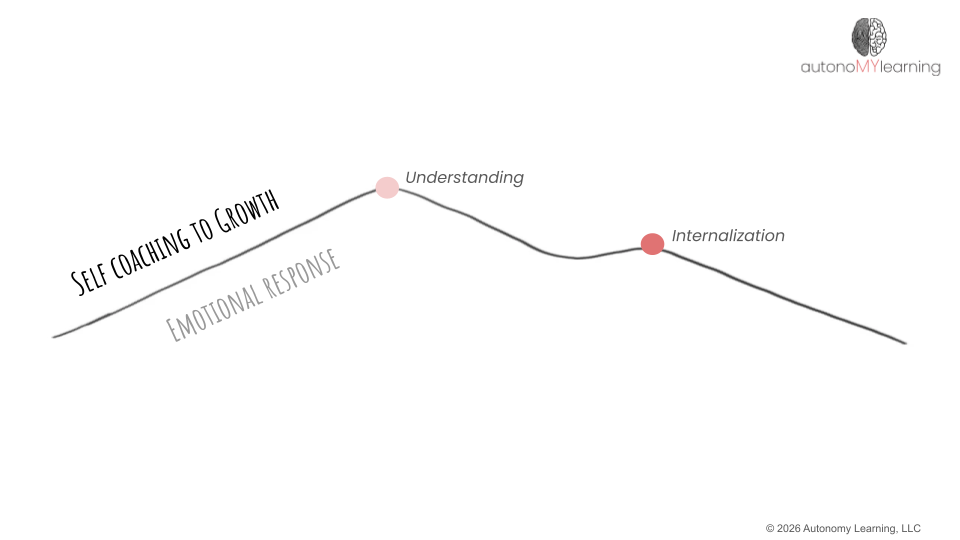
Students learn to name what’s hard and have the tools to take the next step instead of shutting down.

Teachers spend less time managing avoidance and more time teaching.
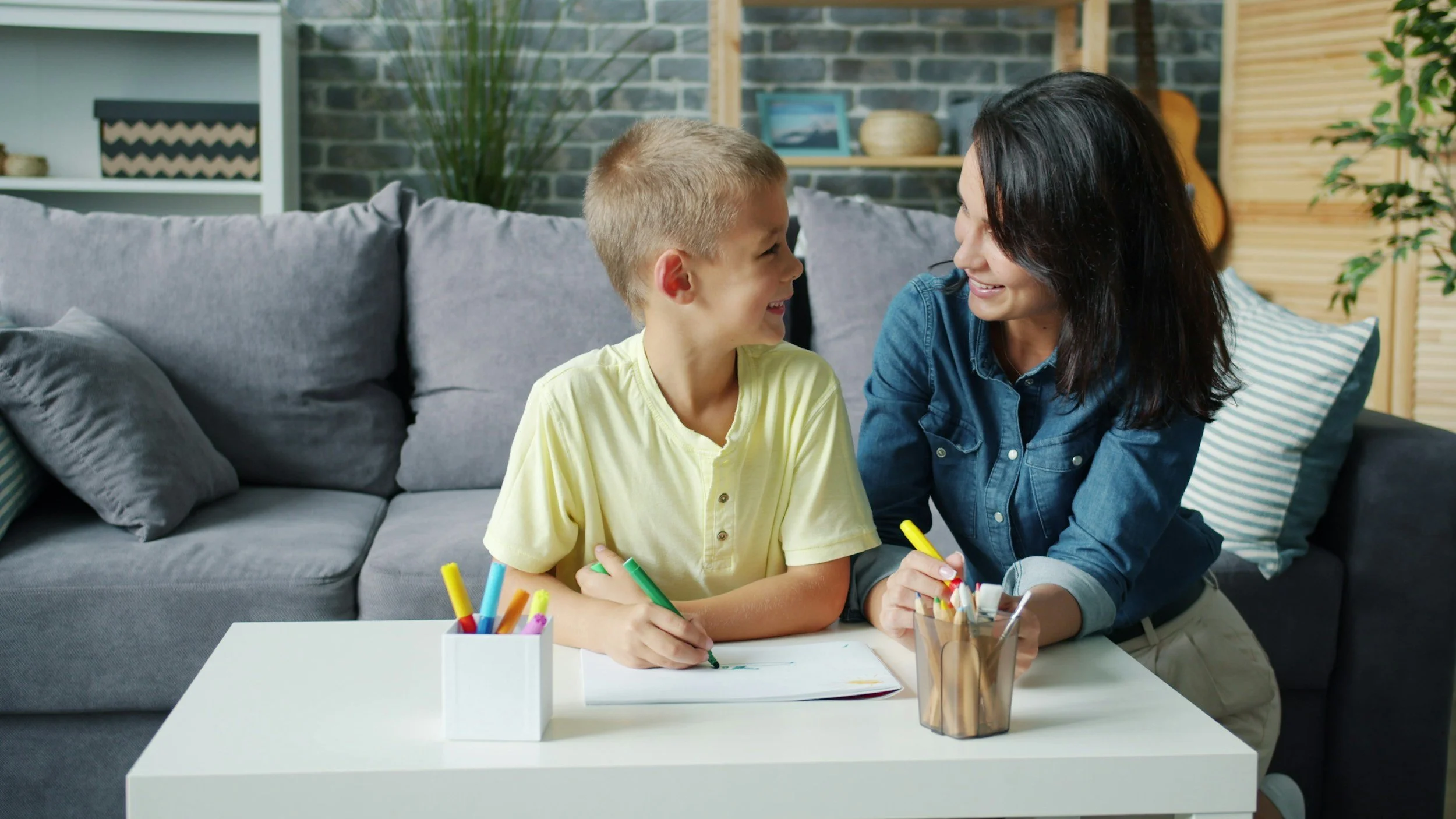
Parents stop fighting about homework because kids can finally name what’s hard.
Two approaches. One framework.
Whether you're a parent or an educator, The Learning Mountain gives kids the same thing: a map for what learning actually feels like — and the tools to keep going when it gets hard.
For families:
Chosse to Grow: A Family Guide to The Learning Mountain
Ten parent-child conversations that teach kids what learning actually looks like — and how to coach themselves through the hard parts.
For schools:
The Learning Mountain
A classroom framework that gives students a shared language and toolkit for self-directed learning — and gives teachers back their energy.
“Fewer power struggles. My daughter actually told me what was hard about her homework — for the first time ever.”
“Our meetings after your PD were amazing — every team outlined specific steps as we think through student growth. This is truly changing the way our kids experience their learning.”
Try It Before You Commit
This is Days 1-5 of Skill 8 -- the self-coaching lesson -- pulled straight from the Choose to Grow program. Five days. Ten minutes each. Real conversations that teach kids to coach themselves through the hard moments.
Download the free lesson and try it this week.

Students build the inner toolkit - the mindset and skillset - they need to learn, adapt, and succeed anywhere.
Schools and organizations using our frameworks:






Ready to change how kids experience learning?
Whether you're a parent or an educator, your next step is right here.